
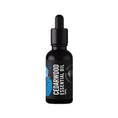
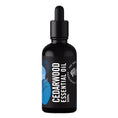


Smells incredible. The quality is exactly what they say it is.
Cedarwood is the oil that should be running every night at 8:30pm, in the lounge, before you've decided you're tired. It's the sleep oil with actual clinical data behind it — cedrol reduces sleep onset time in measurable ways. But it only works as a habit, not an occasional rescue.
Some essential oil brands charge over $40 for 15ml of Cedarwood. At that price you save it for the nights you really can't sleep. You use it reactively rather than building the nightly routine that means you need it less.
At our price you run it every night. Not the bad ones. Every one. Three drops in the diffuser from 8:30pm because that's the habit, not the exception. You build the routine because the oil costs less than the sleep aid you'd otherwise reach for.
That's the shift. Not the oil. What the price lets you do with it.
100% pure Cedarwood oil. Nothing added, nothing diluted. We've been selling pure essential oils since 1895. If it's not the best Cedarwood you've smelled, we'll refund you in full. No return, no questions, no expiry on that promise.
Some essential oil brands charge over $40 for 15ml of Cedarwood. At that price you save it for the nights you really can't sleep. You use it reactively rather than building the nightly routine that means you need it less.
At our price you run it every night. Not the bad ones. Every one. Three drops in the diffuser from 8:30pm because that's the habit, not the exception. You build the routine because the oil costs less than the sleep aid you'd otherwise reach for.
That's the shift. Not the oil. What the price lets you do with it.
100% pure Cedarwood oil. Nothing added, nothing diluted. We've been selling pure essential oils since 1895. If it's not the best Cedarwood you've smelled, we'll refund you in full. No return, no questions, no expiry on that promise.
In a diffuser
Add 3–5 drops to your diffuser with water. Run for 30–60 minutes at a time — intermittent diffusing is more effective than continuous. A well-ventilated room gives you the scent without the saturation.
As a roller blend
Add the recommended drops to a 10ml roller bottle and top with a carrier oil — jojoba, sweet almond, or fractionated coconut all work. Apply to wrists, temples, the back of the neck, or the sternum. Never apply undiluted essential oil directly to skin.
In a spray
Add the recommended drops to 250ml of water with 1 teaspoon of methylated spirits as an emulsifier. Shake before each use. Spray on surfaces, fabrics, or into the air.
For topical use
Always dilute in a carrier oil before applying to skin. Do a patch test on your inner arm and wait 24 hours before wider use, especially if you have sensitive skin. Avoid contact with eyes and mucous membranes.
Storage
Keep in a cool, dark place — a cupboard or drawer is ideal. Keep the lid sealed between uses. Essential oils degrade with heat, light, and air exposure.
Cedarwood — dilution and caution
Use 3–5 drops in a 100ml diffuser. For skin use, dilute to 1–2% for face and 2–3% for body in carrier oil. One of the gentler base note oils — well tolerated by most skin types.
Add 3–5 drops to your diffuser with water. Run for 30–60 minutes at a time — intermittent diffusing is more effective than continuous. A well-ventilated room gives you the scent without the saturation.
As a roller blend
Add the recommended drops to a 10ml roller bottle and top with a carrier oil — jojoba, sweet almond, or fractionated coconut all work. Apply to wrists, temples, the back of the neck, or the sternum. Never apply undiluted essential oil directly to skin.
In a spray
Add the recommended drops to 250ml of water with 1 teaspoon of methylated spirits as an emulsifier. Shake before each use. Spray on surfaces, fabrics, or into the air.
For topical use
Always dilute in a carrier oil before applying to skin. Do a patch test on your inner arm and wait 24 hours before wider use, especially if you have sensitive skin. Avoid contact with eyes and mucous membranes.
Storage
Keep in a cool, dark place — a cupboard or drawer is ideal. Keep the lid sealed between uses. Essential oils degrade with heat, light, and air exposure.
Cedarwood — dilution and caution
Use 3–5 drops in a 100ml diffuser. For skin use, dilute to 1–2% for face and 2–3% for body in carrier oil. One of the gentler base note oils — well tolerated by most skin types.
Blend 1: Cedarwood + Lavender + Bergamot — "The Bedroom Standard"
You've tried the melatonin. The magnesium. The weighted blanket. You're still awake at midnight reading something you've already read. Cedarwood contains cedrol — a compound that reduces sleep onset time in clinical settings, not in marketing copy. Lavender calms. Bergamot lifts anxiety without stimulating. Run from 8:30pm in the lounge, not the bedroom. The preparation has to happen before the pillow. 3 drops Cedarwood, 3 drops Lavender, 2 drops Bergamot. You've been treating the symptom at bedtime. This treats the cause an hour before you get there.
Blend 2: Cedarwood + Frankincense + Patchouli — "The Carry Blend"
For a roller you keep in your bag. Three base notes that don't lift — they plant. Cedarwood steadies. Frankincense slows the breath. Patchouli earths the whole thing. Applied to wrists and sternum when the day is too much, in the car before a difficult appointment, in the bathroom of anywhere overwhelming. 3 drops Cedarwood, 3 drops Frankincense, 1 drop Patchouli in a 10ml roller topped with carrier oil. Anxiety management usually requires effort at the worst possible moment. This requires your thumb.
Blend 3: Cedarwood + Lemon + Rosemary — "The Home Office"
The desk is right. The chair is right. The monitor is at the correct height. The spare bedroom still feels like a spare bedroom. Cedarwood grounds without sedating. Lemon clears the air and the mood. Rosemary is the memory oil — the one with the 1,8-cineole clinical data, the one undergrads diffuse before exams. 3 drops Cedarwood, 3 drops Lemon, 2 drops Rosemary. You've briefed your eyes, your back, your coffee intake. You haven't briefed your nose. This is that.
Blend 4: Cedarwood + Orange + Clove — "The Autumn Diffuser"
The pomander — orange studded with cloves — has been the seasonal scent of autumn in Western homes for centuries. Not because of tradition. Because it works every time. Cedarwood brings it out of the mantelpiece and into a diffuser. 1 drop Clove, 4 drops Orange, 3 drops Cedarwood. You buy the same candle every autumn. This is what that candle is trying to smell like.
Blend 5: Cedarwood + Geranium + Ylang Ylang — "The Linen Spray"
The made bed should smell like this. Cedarwood's sesquiterpene hydrocarbons keep moths away from the wardrobe — that's the mechanism, not a claim. Geranium is the floral note that reads as expensive hotel. Ylang Ylang is the warmth underneath that you can't quite identify but keep noticing. Spritz on pillowcases in the morning while making the bed — not just at night, in the morning, so the whole day it's there waiting. 4 drops Cedarwood, 3 drops Geranium, 2 drops Ylang Ylang in 250ml water + 1 tsp methylated spirits. You've stayed in rooms that smelled like this. You've always wanted to know what it was.
You've tried the melatonin. The magnesium. The weighted blanket. You're still awake at midnight reading something you've already read. Cedarwood contains cedrol — a compound that reduces sleep onset time in clinical settings, not in marketing copy. Lavender calms. Bergamot lifts anxiety without stimulating. Run from 8:30pm in the lounge, not the bedroom. The preparation has to happen before the pillow. 3 drops Cedarwood, 3 drops Lavender, 2 drops Bergamot. You've been treating the symptom at bedtime. This treats the cause an hour before you get there.
Blend 2: Cedarwood + Frankincense + Patchouli — "The Carry Blend"
For a roller you keep in your bag. Three base notes that don't lift — they plant. Cedarwood steadies. Frankincense slows the breath. Patchouli earths the whole thing. Applied to wrists and sternum when the day is too much, in the car before a difficult appointment, in the bathroom of anywhere overwhelming. 3 drops Cedarwood, 3 drops Frankincense, 1 drop Patchouli in a 10ml roller topped with carrier oil. Anxiety management usually requires effort at the worst possible moment. This requires your thumb.
Blend 3: Cedarwood + Lemon + Rosemary — "The Home Office"
The desk is right. The chair is right. The monitor is at the correct height. The spare bedroom still feels like a spare bedroom. Cedarwood grounds without sedating. Lemon clears the air and the mood. Rosemary is the memory oil — the one with the 1,8-cineole clinical data, the one undergrads diffuse before exams. 3 drops Cedarwood, 3 drops Lemon, 2 drops Rosemary. You've briefed your eyes, your back, your coffee intake. You haven't briefed your nose. This is that.
Blend 4: Cedarwood + Orange + Clove — "The Autumn Diffuser"
The pomander — orange studded with cloves — has been the seasonal scent of autumn in Western homes for centuries. Not because of tradition. Because it works every time. Cedarwood brings it out of the mantelpiece and into a diffuser. 1 drop Clove, 4 drops Orange, 3 drops Cedarwood. You buy the same candle every autumn. This is what that candle is trying to smell like.
Blend 5: Cedarwood + Geranium + Ylang Ylang — "The Linen Spray"
The made bed should smell like this. Cedarwood's sesquiterpene hydrocarbons keep moths away from the wardrobe — that's the mechanism, not a claim. Geranium is the floral note that reads as expensive hotel. Ylang Ylang is the warmth underneath that you can't quite identify but keep noticing. Spritz on pillowcases in the morning while making the bed — not just at night, in the morning, so the whole day it's there waiting. 4 drops Cedarwood, 3 drops Geranium, 2 drops Ylang Ylang in 250ml water + 1 tsp methylated spirits. You've stayed in rooms that smelled like this. You've always wanted to know what it was.
How many drops do I use in a diffuser?
3–5 drops in a 100ml diffuser. Cedarwood is a slow-releasing base note — it won't hit you immediately but it will still be there an hour after lighter oils have gone. In a sleep blend, 3 drops is enough. As the primary scent in a room blend, go up to 5.
Can I apply it to my skin?
Yes, diluted. Cedarwood is one of the gentler base note oils for skin use. Dilute to 2–3% in carrier oil for body use and 1% for facial use. It's widely used in scalp treatments, beard oils, and body oils. Patch test before use if you have sensitive skin.
Is it safe around children?
Cedarwood is considered one of the safer oils for use around children over 2 years. It's widely used in children's sleep blends for its mild sedative effect. For children under 2, use very low concentrations with good ventilation. Never apply undiluted to children's skin.
Is it safe around pets?
Cedarwood has a long history of use as a moth and insect repellent including on pet bedding. Diffused use in a ventilated room is generally considered low risk for dogs. For cats, cedarwood is listed as potentially irritating in concentrated forms — avoid topical use on cats and diffuse in spaces where they can leave freely.
Which type of Cedarwood is this — Atlas, Virginian, or Himalayan?
Different Cedarwood species have overlapping but distinct scent profiles. Atlas Cedarwood is the most widely studied for sleep support and has the softest, most refined aroma. Virginian Cedarwood is sharper and more pencil-like. Check the product label for the botanical name — if in doubt, contact us and we'll tell you exactly what you have.
3–5 drops in a 100ml diffuser. Cedarwood is a slow-releasing base note — it won't hit you immediately but it will still be there an hour after lighter oils have gone. In a sleep blend, 3 drops is enough. As the primary scent in a room blend, go up to 5.
Can I apply it to my skin?
Yes, diluted. Cedarwood is one of the gentler base note oils for skin use. Dilute to 2–3% in carrier oil for body use and 1% for facial use. It's widely used in scalp treatments, beard oils, and body oils. Patch test before use if you have sensitive skin.
Is it safe around children?
Cedarwood is considered one of the safer oils for use around children over 2 years. It's widely used in children's sleep blends for its mild sedative effect. For children under 2, use very low concentrations with good ventilation. Never apply undiluted to children's skin.
Is it safe around pets?
Cedarwood has a long history of use as a moth and insect repellent including on pet bedding. Diffused use in a ventilated room is generally considered low risk for dogs. For cats, cedarwood is listed as potentially irritating in concentrated forms — avoid topical use on cats and diffuse in spaces where they can leave freely.
Which type of Cedarwood is this — Atlas, Virginian, or Himalayan?
Different Cedarwood species have overlapping but distinct scent profiles. Atlas Cedarwood is the most widely studied for sleep support and has the softest, most refined aroma. Virginian Cedarwood is sharper and more pencil-like. Check the product label for the botanical name — if in doubt, contact us and we'll tell you exactly what you have.
Cedarwood oil is steam distilled from the wood, bark, and sawdust of cedar trees — different species producing noticeably different oils. Atlas Cedarwood (Cedrus atlantica), from the Atlas Mountains of Morocco, is the most refined and most studied for sleep support. Its primary active compound is cedrol — a sesquiterpene alcohol that has demonstrated sedative effects in inhalation studies, reducing sleep onset time in a measurable way.
The warm, woody, slightly sweet character of Cedarwood has been used as a base note in perfumery for centuries — it's what gives men's fragrances their depth and what makes linen sprays smell expensive. Practically, its sesquiterpene hydrocarbons are what keep moths out of wool — the same mechanism your grandmother's cedar wardrobe used.
Our Cedarwood oil is 100% pure steam-distilled cedar wood and bark. No carrier, no dilution, no synthetic fragrance.
The warm, woody, slightly sweet character of Cedarwood has been used as a base note in perfumery for centuries — it's what gives men's fragrances their depth and what makes linen sprays smell expensive. Practically, its sesquiterpene hydrocarbons are what keep moths out of wool — the same mechanism your grandmother's cedar wardrobe used.
Our Cedarwood oil is 100% pure steam-distilled cedar wood and bark. No carrier, no dilution, no synthetic fragrance.
The Australian Eucalyptus Oil Company has been selling pure essential oils since 1895. Five generations. Over 130 years. This oil is sold the same way we've always done things — 100% pure, nothing added, nothing diluted, nothing you'd need to google.
If you're not completely happy, we'll refund you in full. No return required. No questions asked. No expiry on that promise.
4,800+ reviews. 4.9 stars.
— Tony Taig, 5th generation
If you're not completely happy, we'll refund you in full. No return required. No questions asked. No expiry on that promise.
4,800+ reviews. 4.9 stars.
— Tony Taig, 5th generation

Cedarwood Oil
$37.00 · ~$0.35 per wash
Build Your 5-Oil Bundle
Add any 4 more oils — save 25% on all five.

Always included
Cedarwood Oil
Bundle subtotal
Bundle saving · 25% off all 5 oils
Bundle total
25% off is applied automatically at checkout once you add 4 more oils.
✓Added to your cart
Build out your oil shelf?
Our most-reached-for oils - Clove, Blue Mallee eucalyptus, Lemon and Lemon Myrtle. Add a few and you've got the everyday blends covered.
Added to this order — no second checkout
🛡️ FREE Parcel Protection — lost or damaged, we replace it free