

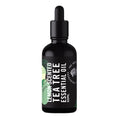


Smells incredible. The quality is exactly what they say it is.
Lemon Scented Tea Tree is the oil most people haven't discovered yet — which is exactly why it's the most underused oil in this range. It has the antimicrobial activity of Tea Tree and the bright citrus character of Lemon Myrtle. It's the cleaning oil that actually smells good. The mould prevention spray you'll use weekly because it doesn't smell like a product.
Most essential oil brands don't stock it at all. The ones that do charge a premium for it. At that price it stays a curiosity — something you buy once and forget.
At our price it becomes a staple. The weekly bathroom spray. The closed-up house blend. The cleaning routine that works and smells like it was designed by someone who cares what their home smells like.
That's the shift. Not the oil. What the price lets you do with it.
100% pure Lemon Scented Tea Tree oil. Nothing added, nothing diluted. We've been selling pure essential oils since 1895. If it's not the best Lemon Scented Tea Tree you've smelled, we'll refund you in full. No return, no questions, no expiry on that promise.
Most essential oil brands don't stock it at all. The ones that do charge a premium for it. At that price it stays a curiosity — something you buy once and forget.
At our price it becomes a staple. The weekly bathroom spray. The closed-up house blend. The cleaning routine that works and smells like it was designed by someone who cares what their home smells like.
That's the shift. Not the oil. What the price lets you do with it.
100% pure Lemon Scented Tea Tree oil. Nothing added, nothing diluted. We've been selling pure essential oils since 1895. If it's not the best Lemon Scented Tea Tree you've smelled, we'll refund you in full. No return, no questions, no expiry on that promise.
In a diffuser
Add 3–5 drops to your diffuser with water. Run for 30–60 minutes at a time — intermittent diffusing is more effective than continuous. A well-ventilated room gives you the scent without the saturation.
As a roller blend
Add the recommended drops to a 10ml roller bottle and top with a carrier oil. Apply to wrists, temples, the back of the neck, or the sternum. Never apply undiluted essential oil directly to skin.
In a spray
Add the recommended drops to 250ml of water with 1 teaspoon of methylated spirits as an emulsifier. Shake before each use. For cleaning sprays, 6–10 drops per 250ml of water is the standard working concentration.
For topical use
Always dilute in a carrier oil before applying to skin. Dilute to 1% or less for skin use. Do a patch test on your inner arm and wait 24 hours before wider use. Avoid contact with eyes and mucous membranes.
Storage
Keep in a cool, dark place — a cupboard or drawer is ideal. Keep the lid sealed between uses. Essential oils degrade with heat, light, and air exposure.
Lemon Scented Tea Tree — dilution and caution
Use 3–5 drops in a 100ml diffuser. For skin use, dilute to 1% in carrier oil — citral content makes this sensitising at higher concentrations. Patch test before use. For cleaning sprays, 6–10 drops per 250ml of water.
Add 3–5 drops to your diffuser with water. Run for 30–60 minutes at a time — intermittent diffusing is more effective than continuous. A well-ventilated room gives you the scent without the saturation.
As a roller blend
Add the recommended drops to a 10ml roller bottle and top with a carrier oil. Apply to wrists, temples, the back of the neck, or the sternum. Never apply undiluted essential oil directly to skin.
In a spray
Add the recommended drops to 250ml of water with 1 teaspoon of methylated spirits as an emulsifier. Shake before each use. For cleaning sprays, 6–10 drops per 250ml of water is the standard working concentration.
For topical use
Always dilute in a carrier oil before applying to skin. Dilute to 1% or less for skin use. Do a patch test on your inner arm and wait 24 hours before wider use. Avoid contact with eyes and mucous membranes.
Storage
Keep in a cool, dark place — a cupboard or drawer is ideal. Keep the lid sealed between uses. Essential oils degrade with heat, light, and air exposure.
Lemon Scented Tea Tree — dilution and caution
Use 3–5 drops in a 100ml diffuser. For skin use, dilute to 1% in carrier oil — citral content makes this sensitising at higher concentrations. Patch test before use. For cleaning sprays, 6–10 drops per 250ml of water.
Blend 1: Lemon Scented Tea Tree + Eucalyptus + Rosemary — "The Closed-Up House"
You've been away. Or it rained for a week and nothing was open. Or guests came and went and left their air behind. Lemon Scented Tea Tree sits between Tea Tree and Lemon — the antimicrobial punch of the first, the citral brightness of the second. Eucalyptus amplifies the respiratory benefit. Rosemary clears what's left. Run until it smells like your house again. 3 drops each. Opening windows replaces the air. This blend treats it.
Blend 2: Lemon Scented Tea Tree + Lavender + Frankincense — "The Interesting Room"
You've been running the same two oils for long enough that you don't notice them anymore. That's the problem with comfort blends — they disappear. Lemon Scented Tea Tree sits at an unusual intersection: fresh enough to read as citrus, medicinal enough to do real work, gentle enough to blend with soft florals. Lavender steadies. Frankincense grounds. 3 drops Lemon Scented Tea Tree, 3 drops Lavender, 2 drops Frankincense. The room smells different. You notice it again. That's the point.
Blend 3: Lemon Scented Tea Tree + Lemongrass + Orange — "The Layered Citrus"
Three different citrus-family oils, three different citrus profiles. Lemon Scented Tea Tree is the cleanest. Lemongrass is the most complex — citral-forward, slightly green. Orange is the warmest. Together they produce a citrus blend that has depth instead of just brightness. 3 drops of each. Single-note citrus is a room spray. Three-note citrus is a fragrance. The difference is depth. It costs exactly the same.
Blend 4: Lemon Scented Tea Tree + Cedarwood + Bergamot — "The Neutral Room"
Fresh citrus top, woody base, smooth citrus-floral bridge. The blend that doesn't read as "the aromatherapy diffuser" to anyone in the house who hasn't started yet. It smells considered — like a boutique hotel lobby or an architect's studio. Not like wellness. 3 drops Lemon Scented Tea Tree, 3 drops Cedarwood, 2 drops Bergamot. The person in the house who's been resistant to the diffuser hasn't objected to this one yet. The entry point was always the blend, not the argument.
Blend 5: Lemon Scented Tea Tree + Tea Tree + Peppermint — "The Weekly Prevention"
Lemon Scented Tea Tree brings citral — a documented antifungal compound. Tea Tree adds terpinen-4-ol, the primary antimicrobial. Peppermint adds menthol, which inhibits spore germination. Three different antifungal mechanisms, stacked. Spray on bathroom grout, silicone, and shower walls once a week — not when the mould appears. Before it does. 5 drops each in 250ml water + 1 tsp methylated spirits. You've been in a cycle of removing mould. This is the week you break it.
You've been away. Or it rained for a week and nothing was open. Or guests came and went and left their air behind. Lemon Scented Tea Tree sits between Tea Tree and Lemon — the antimicrobial punch of the first, the citral brightness of the second. Eucalyptus amplifies the respiratory benefit. Rosemary clears what's left. Run until it smells like your house again. 3 drops each. Opening windows replaces the air. This blend treats it.
Blend 2: Lemon Scented Tea Tree + Lavender + Frankincense — "The Interesting Room"
You've been running the same two oils for long enough that you don't notice them anymore. That's the problem with comfort blends — they disappear. Lemon Scented Tea Tree sits at an unusual intersection: fresh enough to read as citrus, medicinal enough to do real work, gentle enough to blend with soft florals. Lavender steadies. Frankincense grounds. 3 drops Lemon Scented Tea Tree, 3 drops Lavender, 2 drops Frankincense. The room smells different. You notice it again. That's the point.
Blend 3: Lemon Scented Tea Tree + Lemongrass + Orange — "The Layered Citrus"
Three different citrus-family oils, three different citrus profiles. Lemon Scented Tea Tree is the cleanest. Lemongrass is the most complex — citral-forward, slightly green. Orange is the warmest. Together they produce a citrus blend that has depth instead of just brightness. 3 drops of each. Single-note citrus is a room spray. Three-note citrus is a fragrance. The difference is depth. It costs exactly the same.
Blend 4: Lemon Scented Tea Tree + Cedarwood + Bergamot — "The Neutral Room"
Fresh citrus top, woody base, smooth citrus-floral bridge. The blend that doesn't read as "the aromatherapy diffuser" to anyone in the house who hasn't started yet. It smells considered — like a boutique hotel lobby or an architect's studio. Not like wellness. 3 drops Lemon Scented Tea Tree, 3 drops Cedarwood, 2 drops Bergamot. The person in the house who's been resistant to the diffuser hasn't objected to this one yet. The entry point was always the blend, not the argument.
Blend 5: Lemon Scented Tea Tree + Tea Tree + Peppermint — "The Weekly Prevention"
Lemon Scented Tea Tree brings citral — a documented antifungal compound. Tea Tree adds terpinen-4-ol, the primary antimicrobial. Peppermint adds menthol, which inhibits spore germination. Three different antifungal mechanisms, stacked. Spray on bathroom grout, silicone, and shower walls once a week — not when the mould appears. Before it does. 5 drops each in 250ml water + 1 tsp methylated spirits. You've been in a cycle of removing mould. This is the week you break it.
How many drops do I use in a diffuser?
3–5 drops in a 100ml diffuser. Lemon Scented Tea Tree sits between a citrus top note and a medicinal middle note — it carries well without the same intensity as standard Tea Tree or the same fragility as Lemon.
What's the difference between this and regular Tea Tree?
They're different plants entirely. Standard Tea Tree (Melaleuca alternifolia) is dominated by terpinen-4-ol — its primary antimicrobial active. Lemon Scented Tea Tree (Leptospermum petersonii) is dominated by citral — the same lemon compound in Lemon Myrtle, but combined with additional antimicrobial terpenes. The result is an oil with documented antifungal and antibacterial activity plus a genuinely bright citrus scent.
Is it safe for skin use?
Diluted, yes — but with the same citral caution that applies to Lemon Myrtle. High citral content can cause skin sensitisation at elevated concentrations. Dilute to 1% or less for skin use and patch test before use. Do not apply neat to skin.
Is it safe around pets?
Diffuse in a ventilated space with the door open. The combination of citrus compounds and Tea Tree-family terpenes means you should be especially careful around cats — avoid confined spaces and don't apply to fur or skin. For dogs, diffused use with good ventilation is lower risk.
Can I use it instead of regular Tea Tree in cleaning recipes?
Yes — and for many applications it's a genuine upgrade. It carries all the antifungal and antibacterial activity of the Tea Tree family while smelling considerably more pleasant, which matters when you're spraying it on bathroom tiles and grout. Use at the same concentrations you'd use standard Tea Tree.
3–5 drops in a 100ml diffuser. Lemon Scented Tea Tree sits between a citrus top note and a medicinal middle note — it carries well without the same intensity as standard Tea Tree or the same fragility as Lemon.
What's the difference between this and regular Tea Tree?
They're different plants entirely. Standard Tea Tree (Melaleuca alternifolia) is dominated by terpinen-4-ol — its primary antimicrobial active. Lemon Scented Tea Tree (Leptospermum petersonii) is dominated by citral — the same lemon compound in Lemon Myrtle, but combined with additional antimicrobial terpenes. The result is an oil with documented antifungal and antibacterial activity plus a genuinely bright citrus scent.
Is it safe for skin use?
Diluted, yes — but with the same citral caution that applies to Lemon Myrtle. High citral content can cause skin sensitisation at elevated concentrations. Dilute to 1% or less for skin use and patch test before use. Do not apply neat to skin.
Is it safe around pets?
Diffuse in a ventilated space with the door open. The combination of citrus compounds and Tea Tree-family terpenes means you should be especially careful around cats — avoid confined spaces and don't apply to fur or skin. For dogs, diffused use with good ventilation is lower risk.
Can I use it instead of regular Tea Tree in cleaning recipes?
Yes — and for many applications it's a genuine upgrade. It carries all the antifungal and antibacterial activity of the Tea Tree family while smelling considerably more pleasant, which matters when you're spraying it on bathroom tiles and grout. Use at the same concentrations you'd use standard Tea Tree.
Lemon Scented Tea Tree oil (Leptospermum petersonii) is steam distilled from the leaves and twigs of a tree native to the coastal regions of Queensland and New South Wales — the same region as standard Tea Tree, but a different genus entirely. They share a botanical family (Myrtaceae) and some overlapping antimicrobial activity, but they are not the same plant and they produce meaningfully different oils.
Where standard Tea Tree is dominated by terpinen-4-ol, Lemon Scented Tea Tree is dominated by citral, typically running at 70–80%, giving it a genuinely bright, clean lemon character that standard Tea Tree entirely lacks. Alongside that citral content, it retains the antifungal and antibacterial activity of the Tea Tree family — making it the most practically pleasant of the antimicrobial oils in this range.
It is less well known than either Tea Tree or Lemon Myrtle, which is a gap in the market rather than a reflection of its usefulness.
Our Lemon Scented Tea Tree oil is 100% pure steam-distilled Leptospermum petersonii leaf and twig oil. No carrier, no dilution, no synthetic fragrance.
Where standard Tea Tree is dominated by terpinen-4-ol, Lemon Scented Tea Tree is dominated by citral, typically running at 70–80%, giving it a genuinely bright, clean lemon character that standard Tea Tree entirely lacks. Alongside that citral content, it retains the antifungal and antibacterial activity of the Tea Tree family — making it the most practically pleasant of the antimicrobial oils in this range.
It is less well known than either Tea Tree or Lemon Myrtle, which is a gap in the market rather than a reflection of its usefulness.
Our Lemon Scented Tea Tree oil is 100% pure steam-distilled Leptospermum petersonii leaf and twig oil. No carrier, no dilution, no synthetic fragrance.
The Australian Eucalyptus Oil Company has been selling pure essential oils since 1895. Five generations. Over 130 years. This oil is sold the same way we've always done things — 100% pure, nothing added, nothing diluted, nothing you'd need to google.
If you're not completely happy, we'll refund you in full. No return required. No questions asked. No expiry on that promise.
4,800+ reviews. 4.9 stars.
— Tony Taig, 5th generation
If you're not completely happy, we'll refund you in full. No return required. No questions asked. No expiry on that promise.
4,800+ reviews. 4.9 stars.
— Tony Taig, 5th generation

Lemon Scented Tea Tree Oil
$26.00 · ~$0.35 per wash
Build Your 5-Oil Bundle
Add any 4 more oils — save 25% on all five.

Always included
Lemon Scented Tea Tree Oil
Bundle subtotal
Bundle saving · 25% off all 5 oils
Bundle total
25% off is applied automatically at checkout once you add 4 more oils.
✓Added to your cart
Build out your oil shelf?
Our most-reached-for oils - Clove, Blue Mallee eucalyptus, Lemon and Lemon Myrtle. Add a few and you've got the everyday blends covered.
Added to this order — no second checkout
🛡️ FREE Parcel Protection — lost or damaged, we replace it free