
Smells incredible. The quality is exactly what they say it is.
Lavender is the oil that should be running every night. In the lounge from 8:30pm. On the pillow. In the bath. In the roller on your wrist. It's the one oil with enough clinical evidence behind it to justify daily use as a non-negotiable — not an indulgence, a standard.
Some essential oil brands charge over $70 for 15ml of Lavender. At that price you use it for the nights that feel worthy of it. The bad ones. The can't-sleep ones. You save it instead of building the habit that makes those nights less frequent.
At our price you build the habit. Every night, not the hard ones. Five drops in the diffuser because that's what it takes. A few drops in the bath because you want to. The roller blend made and actually used instead of saved.
That's the shift. Not the oil. What the price lets you do with it.
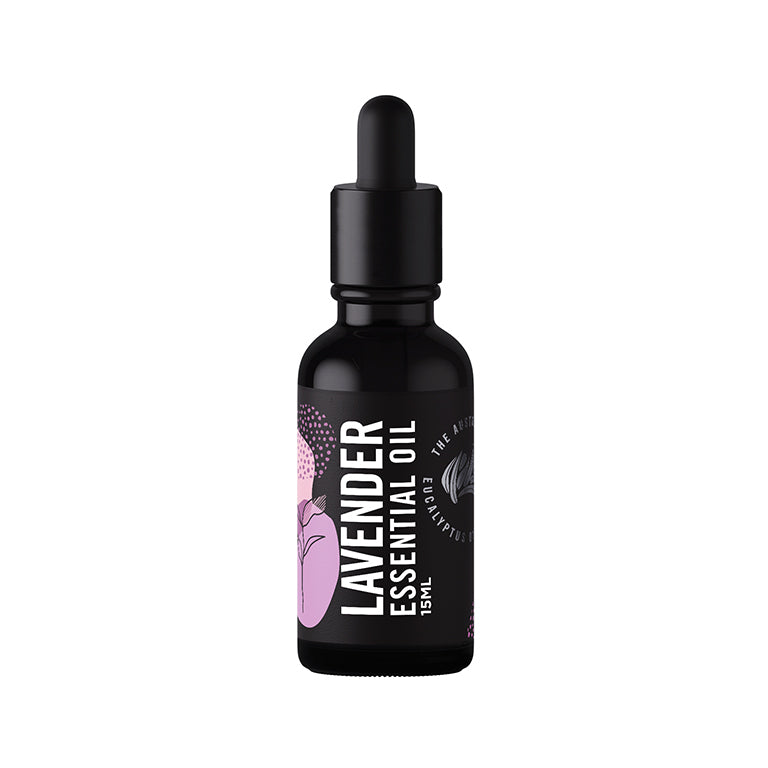
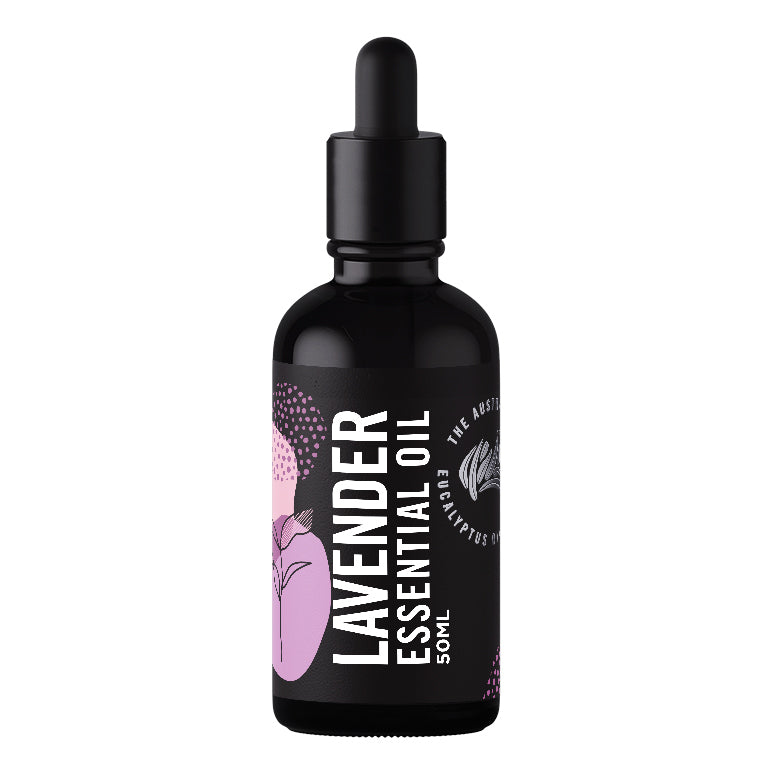
100% pure Lavender oil. Nothing added, nothing diluted. We've been selling pure essential oils since 1895. If it's not the best Lavender you've smelled, we'll refund you in full. No return, no questions, no expiry on that promise.
Some essential oil brands charge over $70 for 15ml of Lavender. At that price you use it for the nights that feel worthy of it. The bad ones. The can't-sleep ones. You save it instead of building the habit that makes those nights less frequent.
At our price you build the habit. Every night, not the hard ones. Five drops in the diffuser because that's what it takes. A few drops in the bath because you want to. The roller blend made and actually used instead of saved.
That's the shift. Not the oil. What the price lets you do with it.
100% pure Lavender oil. Nothing added, nothing diluted. We've been selling pure essential oils since 1895. If it's not the best Lavender you've smelled, we'll refund you in full. No return, no questions, no expiry on that promise.
In a diffuser
Add 4–6 drops to your diffuser with water. Run for 30–60 minutes at a time — intermittent diffusing is more effective than continuous. A well-ventilated room gives you the scent without the saturation.
As a roller blend
Add the recommended drops to a 10ml roller bottle and top with a carrier oil — jojoba, sweet almond, or fractionated coconut all work. Apply to wrists, temples, the back of the neck, or the sternum. Never apply undiluted essential oil directly to skin.
In a spray
Add the recommended drops to 250ml of water with 1 teaspoon of methylated spirits as an emulsifier. Shake before each use. Spray on surfaces, fabrics, or into the air. Not for use on skin unless the dilution is appropriate for the specific oil.
For topical use
Always dilute in a carrier oil before applying to skin. Do a patch test on your inner arm and wait 24 hours before wider use, especially if you have sensitive skin. Avoid contact with eyes and mucous membranes.
Storage
Keep in a cool, dark place — a cupboard or drawer is ideal. Keep the lid sealed between uses. Essential oils degrade with heat, light, and air exposure.
Lavender — dilution and caution
Use 4–6 drops in a 100ml diffuser. For targeted spot use, Lavender is one of two oils considered safe to apply neat — all other applications, dilute to 2–3% in carrier oil. One of the gentlest oils in this range.
Add 4–6 drops to your diffuser with water. Run for 30–60 minutes at a time — intermittent diffusing is more effective than continuous. A well-ventilated room gives you the scent without the saturation.
As a roller blend
Add the recommended drops to a 10ml roller bottle and top with a carrier oil — jojoba, sweet almond, or fractionated coconut all work. Apply to wrists, temples, the back of the neck, or the sternum. Never apply undiluted essential oil directly to skin.
In a spray
Add the recommended drops to 250ml of water with 1 teaspoon of methylated spirits as an emulsifier. Shake before each use. Spray on surfaces, fabrics, or into the air. Not for use on skin unless the dilution is appropriate for the specific oil.
For topical use
Always dilute in a carrier oil before applying to skin. Do a patch test on your inner arm and wait 24 hours before wider use, especially if you have sensitive skin. Avoid contact with eyes and mucous membranes.
Storage
Keep in a cool, dark place — a cupboard or drawer is ideal. Keep the lid sealed between uses. Essential oils degrade with heat, light, and air exposure.
Lavender — dilution and caution
Use 4–6 drops in a 100ml diffuser. For targeted spot use, Lavender is one of two oils considered safe to apply neat — all other applications, dilute to 2–3% in carrier oil. One of the gentlest oils in this range.
Blend 1: Lavender + Cedarwood + Frankincense — "The 9pm Wind-Down"
Three oils that have been tested for sleep more than any others on this list. Lavender does the lowering. Cedarwood deepens it — its cedrol content reduces sleep onset time in clinical settings. Frankincense anchors the blend so it doesn't tip into too-floral, too-bedroom. Run it from 8:30pm in the lounge, not the bedroom. You want the wind-down to happen before you get to the pillow. 3 drops Lavender, 3 drops Cedarwood, 2 drops Frankincense. You've tried the magnesium, the chamomile tea, and the blue-light glasses. The fix is upstream of all of them.
Blend 2: Lavender + Bergamot + Ylang Ylang — "The Bath"
The three most-cited oils in every bath recipe for a reason — they don't argue. Lavender calms. Bergamot lifts. Ylang Ylang slows everything down half a step. Add to a tablespoon of carrier oil first — straight drops float on top and stick to skin. 4 drops Lavender, 3 drops Bergamot, 2 drops Ylang Ylang in 1 tbsp carrier. The bath isn't the indulgence. The forty-five minutes it buys you away from everyone else in the house is the indulgence.
Blend 3: Lavender + Lemon + Tea Tree — "The Sheets"
A laundry spray, not a diffuser blend. Lavender is the classic linen scent. Lemon keeps it from going stale. Tea Tree handles what's on the pillowcase that nobody wants to name. Spritz the made bed in the morning before you close the bedroom door. 6 drops Lavender, 4 drops Lemon, 3 drops Tea Tree in 250ml water + 1 tsp methylated spirits. Five-star hotels spend millions on scent branding. The entire effect is three cheap oils on a pillowcase.
Blend 4: Lavender + Peppermint + Eucalyptus — "The Headache Roller"
Not a diffuser blend — a roller bottle. Peppermint on the temples is the classic. Eucalyptus opens the sinuses when it's pressure, not tension. Lavender stops the other two from feeling aggressive. 5 drops each in a 10ml roller topped with carrier oil. Roll on temples, behind ears, back of neck. Avoid eyes. You're tired of taking Nurofen twice a week. This is what you use in the ten minutes before you'd need one.
Blend 5: Lavender + Geranium + Rosewood — "The Hormone Blend"
Three oils that traditional aromatherapy has leaned on for a century for the week before a period, perimenopause, and everything in between. Lavender steadies. Geranium is cited most often for hormonal support. Rosewood is the softest floral in the range — keeps the blend from getting sharp on the days it most needs to not be sharp. 3 drops Lavender, 3 drops Geranium, 2 drops Rosewood. You're not trying to fix your hormones. You're trying to not feel like a stranger to yourself for one week in four.
Three oils that have been tested for sleep more than any others on this list. Lavender does the lowering. Cedarwood deepens it — its cedrol content reduces sleep onset time in clinical settings. Frankincense anchors the blend so it doesn't tip into too-floral, too-bedroom. Run it from 8:30pm in the lounge, not the bedroom. You want the wind-down to happen before you get to the pillow. 3 drops Lavender, 3 drops Cedarwood, 2 drops Frankincense. You've tried the magnesium, the chamomile tea, and the blue-light glasses. The fix is upstream of all of them.
Blend 2: Lavender + Bergamot + Ylang Ylang — "The Bath"
The three most-cited oils in every bath recipe for a reason — they don't argue. Lavender calms. Bergamot lifts. Ylang Ylang slows everything down half a step. Add to a tablespoon of carrier oil first — straight drops float on top and stick to skin. 4 drops Lavender, 3 drops Bergamot, 2 drops Ylang Ylang in 1 tbsp carrier. The bath isn't the indulgence. The forty-five minutes it buys you away from everyone else in the house is the indulgence.
Blend 3: Lavender + Lemon + Tea Tree — "The Sheets"
A laundry spray, not a diffuser blend. Lavender is the classic linen scent. Lemon keeps it from going stale. Tea Tree handles what's on the pillowcase that nobody wants to name. Spritz the made bed in the morning before you close the bedroom door. 6 drops Lavender, 4 drops Lemon, 3 drops Tea Tree in 250ml water + 1 tsp methylated spirits. Five-star hotels spend millions on scent branding. The entire effect is three cheap oils on a pillowcase.
Blend 4: Lavender + Peppermint + Eucalyptus — "The Headache Roller"
Not a diffuser blend — a roller bottle. Peppermint on the temples is the classic. Eucalyptus opens the sinuses when it's pressure, not tension. Lavender stops the other two from feeling aggressive. 5 drops each in a 10ml roller topped with carrier oil. Roll on temples, behind ears, back of neck. Avoid eyes. You're tired of taking Nurofen twice a week. This is what you use in the ten minutes before you'd need one.
Blend 5: Lavender + Geranium + Rosewood — "The Hormone Blend"
Three oils that traditional aromatherapy has leaned on for a century for the week before a period, perimenopause, and everything in between. Lavender steadies. Geranium is cited most often for hormonal support. Rosewood is the softest floral in the range — keeps the blend from getting sharp on the days it most needs to not be sharp. 3 drops Lavender, 3 drops Geranium, 2 drops Rosewood. You're not trying to fix your hormones. You're trying to not feel like a stranger to yourself for one week in four.
How many drops do I use in a diffuser?
4–6 drops in a 100ml diffuser for a clear scent. For a sleep blend, start at 3–4 drops — you want the oil working in the background, not announcing itself. Lavender is forgiving with dosage but more isn't better for sleep purposes.
Can I apply it directly to skin without diluting?
Lavender and Tea Tree are the two oils most commonly cited as safe to apply neat — undiluted — for targeted spot use such as an insect bite, a burn, or a single blemish. For larger area use, dilute to 2–3% in carrier oil to avoid sensitisation over time.
Is it safe during pregnancy?
Lavender is on the generally-considered-safe list from the International Federation of Professional Aromatherapists for pregnancy use when diluted and used in moderation. Always check with your midwife or healthcare provider before adding any essential oil to your pregnancy routine.
Is it safe around babies and young children?
Lavender is one of the most widely used oils around children and is generally considered safe for diffusing around children over 2 years. For children under 2, use very low concentrations in a well-ventilated room and never apply undiluted to skin.
My lavender smells different from the last bottle — is it still good?
Natural lavender varies batch to batch depending on the growing season, origin, and distillation method. A slightly different scent profile doesn't mean the oil has gone off. What to watch for: a flat, chemical, or rancid smell. That's oxidation. Store in a cool dark place, seal tightly after use, and expect 2–3 years shelf life when stored well.
4–6 drops in a 100ml diffuser for a clear scent. For a sleep blend, start at 3–4 drops — you want the oil working in the background, not announcing itself. Lavender is forgiving with dosage but more isn't better for sleep purposes.
Can I apply it directly to skin without diluting?
Lavender and Tea Tree are the two oils most commonly cited as safe to apply neat — undiluted — for targeted spot use such as an insect bite, a burn, or a single blemish. For larger area use, dilute to 2–3% in carrier oil to avoid sensitisation over time.
Is it safe during pregnancy?
Lavender is on the generally-considered-safe list from the International Federation of Professional Aromatherapists for pregnancy use when diluted and used in moderation. Always check with your midwife or healthcare provider before adding any essential oil to your pregnancy routine.
Is it safe around babies and young children?
Lavender is one of the most widely used oils around children and is generally considered safe for diffusing around children over 2 years. For children under 2, use very low concentrations in a well-ventilated room and never apply undiluted to skin.
My lavender smells different from the last bottle — is it still good?
Natural lavender varies batch to batch depending on the growing season, origin, and distillation method. A slightly different scent profile doesn't mean the oil has gone off. What to watch for: a flat, chemical, or rancid smell. That's oxidation. Store in a cool dark place, seal tightly after use, and expect 2–3 years shelf life when stored well.
Lavender (Lavandula angustifolia) is the most researched essential oil in existence. Not the most marketed — the most researched. There are more peer-reviewed studies on Lavender's effects on anxiety, sleep, and skin than on any other single essential oil.
The oil is steam distilled from the flowering tops of the lavender plant. Its primary compounds — linalool and linalyl acetate — are responsible for its characteristic floral-herbaceous scent and its well-documented calming effect on the nervous system. These compounds interact directly with GABA receptors in the brain, which is the same pathway that pharmaceutical anxiolytics work on.
True Lavandula angustifolia grows best at altitude. The finest oil comes from the high-altitude fields of Provence, Bulgaria, and Tasmania. Lavandin (Lavandula x intermedia) is a hybrid grown at lower altitudes with a higher yield and a sharper, more camphoraceous scent — it's cheaper and widely sold as lavender. They're not the same oil.
Our Lavender oil is 100% pure steam-distilled Lavandula angustifolia. No carrier, no dilution, no synthetic fragrance.
The oil is steam distilled from the flowering tops of the lavender plant. Its primary compounds — linalool and linalyl acetate — are responsible for its characteristic floral-herbaceous scent and its well-documented calming effect on the nervous system. These compounds interact directly with GABA receptors in the brain, which is the same pathway that pharmaceutical anxiolytics work on.
True Lavandula angustifolia grows best at altitude. The finest oil comes from the high-altitude fields of Provence, Bulgaria, and Tasmania. Lavandin (Lavandula x intermedia) is a hybrid grown at lower altitudes with a higher yield and a sharper, more camphoraceous scent — it's cheaper and widely sold as lavender. They're not the same oil.
Our Lavender oil is 100% pure steam-distilled Lavandula angustifolia. No carrier, no dilution, no synthetic fragrance.
The Australian Eucalyptus Oil Company has been selling pure essential oils since 1895. Five generations. Over 130 years. This oil is sold the same way we've always done things — 100% pure, nothing added, nothing diluted, nothing you'd need to google.
If you're not completely happy, we'll refund you in full. No return required. No questions asked. No expiry on that promise.
4,800+ reviews. 4.9 stars.
— Tony Taig, 5th generation
If you're not completely happy, we'll refund you in full. No return required. No questions asked. No expiry on that promise.
4,800+ reviews. 4.9 stars.
— Tony Taig, 5th generation

Lavender Oil
$28.00
Build Your 5-Oil Bundle
Add any 4 more oils — save 25% on all five.

Always included
Lavender Oil
Bundle subtotal
Bundle saving · 25% off all 5 oils
Bundle total
25% off is applied automatically at checkout once you add 4 more oils.
✓Added to your cart
Build out your oil shelf?
Our most-reached-for oils - Clove, Blue Mallee eucalyptus, Lemon and Lemon Myrtle. Add a few and you've got the everyday blends covered.
★ 4.9 from 5,000+ reviews
Added to this order — no second checkout
🛡️ FREE Parcel Protection — lost or damaged, we replace it free