
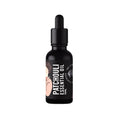
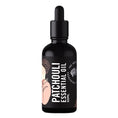


Smells incredible. The quality is exactly what they say it is.
Patchouli is the oil most people have an opinion about before they've used it properly. Too strong. Too earthy. Too much. All of those reactions come from smelling it neat from the bottle at full concentration — which is the wrong context for every oil in this range, but especially this one.
At the right price you can afford to experiment until you find the ratio. One drop in a blend with Orange and Bergamot. Half a drop on a dryer ball. A tiny amount in a roller that makes the whole thing last twice as long. That education costs drops, and drops cost money.
Some essential oil brands charge over $75 for 15ml of Patchouli. At that price every experimental drop feels expensive. You don't find the ratio because you can't afford to look for it.
At our price you find the ratio. And once you find it, you use it constantly — because Patchouli done right is the most interesting oil in the range.
100% pure Patchouli oil. Nothing added, nothing diluted. We've been selling pure essential oils since 1895. If it's not the best Patchouli you've smelled, we'll refund you in full. No return, no questions, no expiry on that promise.
At the right price you can afford to experiment until you find the ratio. One drop in a blend with Orange and Bergamot. Half a drop on a dryer ball. A tiny amount in a roller that makes the whole thing last twice as long. That education costs drops, and drops cost money.
Some essential oil brands charge over $75 for 15ml of Patchouli. At that price every experimental drop feels expensive. You don't find the ratio because you can't afford to look for it.
At our price you find the ratio. And once you find it, you use it constantly — because Patchouli done right is the most interesting oil in the range.
100% pure Patchouli oil. Nothing added, nothing diluted. We've been selling pure essential oils since 1895. If it's not the best Patchouli you've smelled, we'll refund you in full. No return, no questions, no expiry on that promise.
In a diffuser
Add 1–2 drops to your diffuser with water — almost always blended, rarely alone. Run for 30–60 minutes at a time. A single drop of Patchouli carries further and lasts longer than most oils at the same quantity.
As a roller blend
Add the recommended drops to a 10ml roller bottle and top with a carrier oil. Apply to wrists, temples, the back of the neck, or the sternum. Never apply undiluted essential oil directly to skin.
In a spray
Add the recommended drops to 250ml of water with 1 teaspoon of methylated spirits as an emulsifier. Shake before each use.
For topical use
Always dilute in a carrier oil before applying to skin. Do a patch test on your inner arm and wait 24 hours before wider use. Avoid contact with eyes and mucous membranes.
Storage
Keep in a cool, dark place — a cupboard or drawer is ideal. Keep the lid sealed between uses. Essential oils degrade with heat, light, and air exposure.
Patchouli — dilution and caution
Use 1–2 drops in a 100ml diffuser — always blended, rarely alone. For skin use, dilute to 2–3% in carrier oil. Its fixative property means 1 drop carries further and lasts longer than most oils at the same quantity.
Add 1–2 drops to your diffuser with water — almost always blended, rarely alone. Run for 30–60 minutes at a time. A single drop of Patchouli carries further and lasts longer than most oils at the same quantity.
As a roller blend
Add the recommended drops to a 10ml roller bottle and top with a carrier oil. Apply to wrists, temples, the back of the neck, or the sternum. Never apply undiluted essential oil directly to skin.
In a spray
Add the recommended drops to 250ml of water with 1 teaspoon of methylated spirits as an emulsifier. Shake before each use.
For topical use
Always dilute in a carrier oil before applying to skin. Do a patch test on your inner arm and wait 24 hours before wider use. Avoid contact with eyes and mucous membranes.
Storage
Keep in a cool, dark place — a cupboard or drawer is ideal. Keep the lid sealed between uses. Essential oils degrade with heat, light, and air exposure.
Patchouli — dilution and caution
Use 1–2 drops in a 100ml diffuser — always blended, rarely alone. For skin use, dilute to 2–3% in carrier oil. Its fixative property means 1 drop carries further and lasts longer than most oils at the same quantity.
Blend 1: Patchouli + Bergamot + Orange — "The Convert Blend"
You smelled it once, neat, and put it at the back of the drawer. That was the wrong context. Patchouli on its own is a single note at full volume. With Bergamot and Orange it becomes the depth in a blend that smells like the kind of natural perfume that costs eighty dollars in a boutique. 1 drop Patchouli, 3 drops Bergamot, 4 drops Orange. You judged an ensemble oil as a solo. This is the audition it was written for.
Blend 2: Patchouli + Lavender + Rosemary — "The Dryer Blend"
Patchouli is the fixative — the oil that locks other scents into fabric. Lavender is the classic linen scent. Rosemary is the one that makes sheets smell like they dried outside on a line. A few drops on a cloth or dryer balls in the dryer, not linen spray after the fact. 1 drop Patchouli, 3 drops Lavender, 2 drops Rosemary. Linen spray sits on the surface and fades in an hour. This is sealed into the fabric. You open the wardrobe three days later and it's still there.
Blend 3: Patchouli + Ylang Ylang + Cedarwood — "The Signature Fragrance"
Three base notes. No top-note brightness. No citrus. Nothing that introduces itself loudly and leaves. Patchouli is the anchor. Ylang Ylang is the floral warmth. Cedarwood is the structure. Applied from a roller this reads as a serious, considered fragrance — the kind that earns a compliment on the second encounter, not the first. 1 drop Patchouli, 2 drops Ylang Ylang, 4 drops Cedarwood in a 10ml roller topped with carrier oil. Mass-market perfume is engineered to appeal to everyone. This smells like you specifically. That's the difference.
Blend 4: Patchouli + Frankincense + Lemon — "The Meditation Room"
Patchouli and Frankincense appear together in incense across more spiritual traditions than any other combination — not symbolically, because of what these two compounds do to the breath and nervous system together. Lemon cuts the density so it works in a home rather than a temple. 1 drop Patchouli, 4 drops Frankincense, 3 drops Lemon. You're building a practice. The room should reflect the intention. This is the oil version of that decision.
Blend 5: Patchouli + Tea Tree + Geranium — "The Natural Deodorant Base"
You've tried three natural deodorants. All of them failed by midday. They failed because they skipped the aluminium without addressing the bacteria that produces the odour. Patchouli is the antimicrobial fixative. Tea Tree targets the specific bacteria responsible for body odour. Geranium controls sebum and makes the whole thing skin-appropriate. 2 drops Patchouli, 3 drops Tea Tree, 2 drops Geranium in 30ml unscented base or carrier oil. Natural deodorant doesn't work when it ignores the chemistry. This one doesn't ignore it.
You smelled it once, neat, and put it at the back of the drawer. That was the wrong context. Patchouli on its own is a single note at full volume. With Bergamot and Orange it becomes the depth in a blend that smells like the kind of natural perfume that costs eighty dollars in a boutique. 1 drop Patchouli, 3 drops Bergamot, 4 drops Orange. You judged an ensemble oil as a solo. This is the audition it was written for.
Blend 2: Patchouli + Lavender + Rosemary — "The Dryer Blend"
Patchouli is the fixative — the oil that locks other scents into fabric. Lavender is the classic linen scent. Rosemary is the one that makes sheets smell like they dried outside on a line. A few drops on a cloth or dryer balls in the dryer, not linen spray after the fact. 1 drop Patchouli, 3 drops Lavender, 2 drops Rosemary. Linen spray sits on the surface and fades in an hour. This is sealed into the fabric. You open the wardrobe three days later and it's still there.
Blend 3: Patchouli + Ylang Ylang + Cedarwood — "The Signature Fragrance"
Three base notes. No top-note brightness. No citrus. Nothing that introduces itself loudly and leaves. Patchouli is the anchor. Ylang Ylang is the floral warmth. Cedarwood is the structure. Applied from a roller this reads as a serious, considered fragrance — the kind that earns a compliment on the second encounter, not the first. 1 drop Patchouli, 2 drops Ylang Ylang, 4 drops Cedarwood in a 10ml roller topped with carrier oil. Mass-market perfume is engineered to appeal to everyone. This smells like you specifically. That's the difference.
Blend 4: Patchouli + Frankincense + Lemon — "The Meditation Room"
Patchouli and Frankincense appear together in incense across more spiritual traditions than any other combination — not symbolically, because of what these two compounds do to the breath and nervous system together. Lemon cuts the density so it works in a home rather than a temple. 1 drop Patchouli, 4 drops Frankincense, 3 drops Lemon. You're building a practice. The room should reflect the intention. This is the oil version of that decision.
Blend 5: Patchouli + Tea Tree + Geranium — "The Natural Deodorant Base"
You've tried three natural deodorants. All of them failed by midday. They failed because they skipped the aluminium without addressing the bacteria that produces the odour. Patchouli is the antimicrobial fixative. Tea Tree targets the specific bacteria responsible for body odour. Geranium controls sebum and makes the whole thing skin-appropriate. 2 drops Patchouli, 3 drops Tea Tree, 2 drops Geranium in 30ml unscented base or carrier oil. Natural deodorant doesn't work when it ignores the chemistry. This one doesn't ignore it.
How many drops do I use in a diffuser?
1–2 drops in a 100ml diffuser — almost always blended, rarely alone. Patchouli is one of the most persistent base notes in aromatherapy — a single drop will still be detectable in a room two hours after the diffuser stops. Its job is to anchor and fix a blend, not to carry it.
Why does it smell so strong and earthy straight from the bottle?
Patchouli's distinctive deep, musky character comes from patchoulol and norpatchoulenol. The scent mellows significantly when blended and when diffused. If you've smelled it neat and dismissed it, try it at 1 drop in a blend with Orange or Bergamot before making a final judgment.
Does it actually work as a fixative in laundry?
Yes. Patchouli's fixative property is real chemistry — patchoulol is a sesquiterpene alcohol that binds to fabric fibres and extends the longevity of scent in textiles. It's used in commercial fabric softeners and perfumes for exactly this reason.
Is it safe during pregnancy?
Patchouli appears on the generally-considered-safe list from most aromatherapy organisations for pregnancy use when diffused in low concentrations and in moderation. Keep the room well-ventilated. As with all essential oils during pregnancy, check with your healthcare provider.
Is it safe around pets?
Diffuse in a ventilated space with the door open. Patchouli's intense scent can be overwhelming to animals with sensitive noses. If your pet leaves the room when you diffuse it, ventilate more or reduce the concentration. Avoid direct application to pets.
1–2 drops in a 100ml diffuser — almost always blended, rarely alone. Patchouli is one of the most persistent base notes in aromatherapy — a single drop will still be detectable in a room two hours after the diffuser stops. Its job is to anchor and fix a blend, not to carry it.
Why does it smell so strong and earthy straight from the bottle?
Patchouli's distinctive deep, musky character comes from patchoulol and norpatchoulenol. The scent mellows significantly when blended and when diffused. If you've smelled it neat and dismissed it, try it at 1 drop in a blend with Orange or Bergamot before making a final judgment.
Does it actually work as a fixative in laundry?
Yes. Patchouli's fixative property is real chemistry — patchoulol is a sesquiterpene alcohol that binds to fabric fibres and extends the longevity of scent in textiles. It's used in commercial fabric softeners and perfumes for exactly this reason.
Is it safe during pregnancy?
Patchouli appears on the generally-considered-safe list from most aromatherapy organisations for pregnancy use when diffused in low concentrations and in moderation. Keep the room well-ventilated. As with all essential oils during pregnancy, check with your healthcare provider.
Is it safe around pets?
Diffuse in a ventilated space with the door open. Patchouli's intense scent can be overwhelming to animals with sensitive noses. If your pet leaves the room when you diffuse it, ventilate more or reduce the concentration. Avoid direct application to pets.
Patchouli oil (Pogostemon cablin) is steam distilled from the dried leaves of the patchouli plant, native to tropical Asia and now cultivated primarily in Indonesia, India, and Malaysia. The leaves must be dried and fermented before distillation — a step that develops the characteristic deep, earthy, musky character that fresh leaves don't have. Aged patchouli oil is prized in perfumery: the longer it matures after distillation, the more the harsh green top notes mellow and the rich base character deepens.
Its defining compound is patchoulol — a sesquiterpene alcohol that is responsible for both its distinctive scent and its fixative properties in fragrance formulation. Patchoulol binds to fabric fibres and slows the evaporation of other scent compounds around it — this is why Patchouli has been used as a fixative in perfumery for centuries.
It became the defining scent of 1960s counterculture partly because of its practical use — patchouli was packed with Indian textiles and clothing to repel moths during shipping, and Western buyers associated the smell with imported goods.
Our Patchouli oil is 100% pure steam-distilled Pogostemon cablin leaf oil. No carrier, no dilution, no synthetic fragrance.
Its defining compound is patchoulol — a sesquiterpene alcohol that is responsible for both its distinctive scent and its fixative properties in fragrance formulation. Patchoulol binds to fabric fibres and slows the evaporation of other scent compounds around it — this is why Patchouli has been used as a fixative in perfumery for centuries.
It became the defining scent of 1960s counterculture partly because of its practical use — patchouli was packed with Indian textiles and clothing to repel moths during shipping, and Western buyers associated the smell with imported goods.
Our Patchouli oil is 100% pure steam-distilled Pogostemon cablin leaf oil. No carrier, no dilution, no synthetic fragrance.
The Australian Eucalyptus Oil Company has been selling pure essential oils since 1895. Five generations. Over 130 years. This oil is sold the same way we've always done things — 100% pure, nothing added, nothing diluted, nothing you'd need to google.
If you're not completely happy, we'll refund you in full. No return required. No questions asked. No expiry on that promise.
4,800+ reviews. 4.9 stars.
— Tony Taig, 5th generation
If you're not completely happy, we'll refund you in full. No return required. No questions asked. No expiry on that promise.
4,800+ reviews. 4.9 stars.
— Tony Taig, 5th generation

Patchouli Oil
$28.00
Build Your 5-Oil Bundle
Add any 4 more oils — save 25% on all five.

Always included
Patchouli Oil
Bundle subtotal
Bundle saving · 25% off all 5 oils
Bundle total
25% off is applied automatically at checkout once you add 4 more oils.
✓Added to your cart
Build out your oil shelf?
Our most-reached-for oils - Clove, Blue Mallee eucalyptus, Lemon and Lemon Myrtle. Add a few and you've got the everyday blends covered.
★ 4.9 from 5,000+ reviews
Added to this order — no second checkout
🛡️ FREE Parcel Protection — lost or damaged, we replace it free