
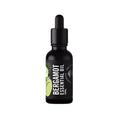
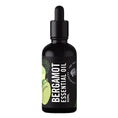


Smells incredible. The quality is exactly what they say it is.
Bergamot is the oil that's in more classic perfumes than any other citrus, in Earl Grey tea, and in more clinical anxiety studies than any other essential oil. It's also the one most people treat as a supporting player rather than a daily anchor — because at premium prices you use it sparingly.
Some essential oil brands charge over $80 for 15ml of Bergamot. At that price it becomes a special occasion oil. You add a drop to a blend when you feel like it deserves the upgrade. You never make the before-meeting inhaler or the Sunday afternoon diffuser blend because those feel too indulgent.
At our price none of it feels indulgent. You make the roller and keep it in your bag. You run the Sunday blend every Sunday. You use it on the days that don't feel like they've earned it, which is exactly when it does its best work.
That's the shift. Not the oil. What the price lets you do with it.
100% pure Bergamot oil. Nothing added, nothing diluted. We've been selling pure essential oils since 1895. If it's not the best Bergamot you've smelled, we'll refund you in full. No return, no questions, no expiry on that promise.
Some essential oil brands charge over $80 for 15ml of Bergamot. At that price it becomes a special occasion oil. You add a drop to a blend when you feel like it deserves the upgrade. You never make the before-meeting inhaler or the Sunday afternoon diffuser blend because those feel too indulgent.
At our price none of it feels indulgent. You make the roller and keep it in your bag. You run the Sunday blend every Sunday. You use it on the days that don't feel like they've earned it, which is exactly when it does its best work.
That's the shift. Not the oil. What the price lets you do with it.
100% pure Bergamot oil. Nothing added, nothing diluted. We've been selling pure essential oils since 1895. If it's not the best Bergamot you've smelled, we'll refund you in full. No return, no questions, no expiry on that promise.
In a diffuser
Add 4–5 drops to your diffuser with water. Run for 30–60 minutes at a time — intermittent diffusing is more effective than continuous. A well-ventilated room gives you the scent without the saturation.
As a roller blend
Add the recommended drops to a 10ml roller bottle and top with a carrier oil — jojoba, sweet almond, or fractionated coconut all work. Apply to wrists, temples, the back of the neck, or the sternum. Never apply undiluted essential oil directly to skin.
In a spray
Add the recommended drops to 250ml of water with 1 teaspoon of methylated spirits as an emulsifier. Shake before each use. Spray on surfaces, fabrics, or into the air.
For topical use
Always dilute in a carrier oil before applying to skin. Do a patch test on your inner arm and wait 24 hours before wider use, especially if you have sensitive skin. Avoid contact with eyes and mucous membranes.
Storage
Keep in a cool, dark place — a cupboard or drawer is ideal. Keep the lid sealed between uses. Essential oils degrade with heat, light, and air exposure.
Bergamot — dilution and caution
Use 4–5 drops in a 100ml diffuser. For skin use, dilute to 2% in carrier oil. Do not apply to skin exposed to sunlight within 12 hours — cold-pressed Bergamot is phototoxic. For daytime skin use, seek FCF (furanocoumarins-free) Bergamot.
Add 4–5 drops to your diffuser with water. Run for 30–60 minutes at a time — intermittent diffusing is more effective than continuous. A well-ventilated room gives you the scent without the saturation.
As a roller blend
Add the recommended drops to a 10ml roller bottle and top with a carrier oil — jojoba, sweet almond, or fractionated coconut all work. Apply to wrists, temples, the back of the neck, or the sternum. Never apply undiluted essential oil directly to skin.
In a spray
Add the recommended drops to 250ml of water with 1 teaspoon of methylated spirits as an emulsifier. Shake before each use. Spray on surfaces, fabrics, or into the air.
For topical use
Always dilute in a carrier oil before applying to skin. Do a patch test on your inner arm and wait 24 hours before wider use, especially if you have sensitive skin. Avoid contact with eyes and mucous membranes.
Storage
Keep in a cool, dark place — a cupboard or drawer is ideal. Keep the lid sealed between uses. Essential oils degrade with heat, light, and air exposure.
Bergamot — dilution and caution
Use 4–5 drops in a 100ml diffuser. For skin use, dilute to 2% in carrier oil. Do not apply to skin exposed to sunlight within 12 hours — cold-pressed Bergamot is phototoxic. For daytime skin use, seek FCF (furanocoumarins-free) Bergamot.
Blend 1: Bergamot + Lavender + Cedarwood — "The Sunday Afternoon"
The anxiety starts around 4pm on Sundays. You can feel the week beginning before it does. Bergamot has the strongest evidence base of any essential oil for anxiety in clinical aromatherapy — not folk medicine, clinical settings. Lavender calms. Cedarwood tells your nervous system the week hasn't started yet. Run from 3pm. Not 7pm when it's already arrived. 3 drops Bergamot, 3 drops Lavender, 2 drops Cedarwood. You've been trying to think your way out of Sunday dread. It responds better to air.
Blend 2: Bergamot + Ylang Ylang + Orange — "The Hard Day Blend"
Not the meditation blend. Not the bedtime blend. The one you run at 4pm when the day has gone wrong in ways you can't fully articulate and you have two hours before dinner and nothing left. Bergamot lifts. Ylang Ylang slows the heart rate — measurably, in studies. Orange is the warmth that makes the room feel like yours again. 3 drops Bergamot, 2 drops Ylang Ylang, 3 drops Orange. You've been sold stress management as a commitment. This takes ninety seconds to set up and runs in the background.
Blend 3: Bergamot + Frankincense + Geranium — "The Botanical Perfume"
Bergamot is the citrus top note in nearly every classic perfume — it's in Earl Grey tea for the same reason it's in Chanel No. 5. Frankincense is the resinous base. Geranium is the rose-like bridge. Applied from a roller this doesn't read as an essential oil blend. It reads as a considered fragrance. 3 drops Bergamot, 2 drops Frankincense, 3 drops Geranium in a 10ml roller topped with carrier oil. A $120 botanical perfume is mostly carrier oil with these compounds and excellent packaging. You're skipping the packaging.
Blend 4: Bergamot + Rosemary + Peppermint — "The Before-Meeting Inhaler"
A cotton wick in a small tube, kept in your bag or your car. Bergamot is the anxiety reducer. Rosemary and Peppermint are the clarity pair. Used in the car park before you walk in. In the bathroom before the difficult call. On the way up in the lift. 4 drops Bergamot, 3 drops Rosemary, 3 drops Peppermint on the inhaler wick. You know you're better in rooms when you're calmer going in. This is what you do about it, in eight seconds, without telling anyone.
Blend 5: Bergamot + Lemongrass + Cedarwood — "The Desk Diffuser"
A personal diffuser, USB-powered, used quietly. Bergamot lifts the mood without announcing it to the room. Lemongrass freshens. Cedarwood grounds. At two drops each in a small diffuser this doesn't broadcast — it just makes your corner of the room better. 2 drops Bergamot, 2 drops Lemongrass, 2 drops Cedarwood. Office design accounts for lighting and ergonomics and acoustics. Nobody is managing the air. You are.
The anxiety starts around 4pm on Sundays. You can feel the week beginning before it does. Bergamot has the strongest evidence base of any essential oil for anxiety in clinical aromatherapy — not folk medicine, clinical settings. Lavender calms. Cedarwood tells your nervous system the week hasn't started yet. Run from 3pm. Not 7pm when it's already arrived. 3 drops Bergamot, 3 drops Lavender, 2 drops Cedarwood. You've been trying to think your way out of Sunday dread. It responds better to air.
Blend 2: Bergamot + Ylang Ylang + Orange — "The Hard Day Blend"
Not the meditation blend. Not the bedtime blend. The one you run at 4pm when the day has gone wrong in ways you can't fully articulate and you have two hours before dinner and nothing left. Bergamot lifts. Ylang Ylang slows the heart rate — measurably, in studies. Orange is the warmth that makes the room feel like yours again. 3 drops Bergamot, 2 drops Ylang Ylang, 3 drops Orange. You've been sold stress management as a commitment. This takes ninety seconds to set up and runs in the background.
Blend 3: Bergamot + Frankincense + Geranium — "The Botanical Perfume"
Bergamot is the citrus top note in nearly every classic perfume — it's in Earl Grey tea for the same reason it's in Chanel No. 5. Frankincense is the resinous base. Geranium is the rose-like bridge. Applied from a roller this doesn't read as an essential oil blend. It reads as a considered fragrance. 3 drops Bergamot, 2 drops Frankincense, 3 drops Geranium in a 10ml roller topped with carrier oil. A $120 botanical perfume is mostly carrier oil with these compounds and excellent packaging. You're skipping the packaging.
Blend 4: Bergamot + Rosemary + Peppermint — "The Before-Meeting Inhaler"
A cotton wick in a small tube, kept in your bag or your car. Bergamot is the anxiety reducer. Rosemary and Peppermint are the clarity pair. Used in the car park before you walk in. In the bathroom before the difficult call. On the way up in the lift. 4 drops Bergamot, 3 drops Rosemary, 3 drops Peppermint on the inhaler wick. You know you're better in rooms when you're calmer going in. This is what you do about it, in eight seconds, without telling anyone.
Blend 5: Bergamot + Lemongrass + Cedarwood — "The Desk Diffuser"
A personal diffuser, USB-powered, used quietly. Bergamot lifts the mood without announcing it to the room. Lemongrass freshens. Cedarwood grounds. At two drops each in a small diffuser this doesn't broadcast — it just makes your corner of the room better. 2 drops Bergamot, 2 drops Lemongrass, 2 drops Cedarwood. Office design accounts for lighting and ergonomics and acoustics. Nobody is managing the air. You are.
How many drops do I use in a diffuser?
4–5 drops in a 100ml diffuser. Bergamot is a top-to-middle note with a beautifully balanced citrus-floral character that carries well without being sharp. In a blend it works at equal ratio with most other oils — it doesn't dominate and it doesn't disappear.
Can I use it on my skin before going into the sun?
Cold-pressed Bergamot is phototoxic — applying it to skin exposed to sunlight can cause severe burns or permanent pigmentation changes. This is not a minor caution. If you want to use Bergamot in a roller blend or body oil for daytime use, look for FCF (furanocoumarins-free) Bergamot. For evening use or on skin covered by clothing, standard Bergamot is fine.
Is it safe during pregnancy?
Bergamot appears on the generally-considered-safe list from the International Federation of Professional Aromatherapists for pregnancy when diluted and used in moderation. The phototoxicity caution still applies. As with all essential oils during pregnancy, consult your midwife or healthcare provider before use.
Why does it smell like Earl Grey tea?
Because Earl Grey tea is flavoured with Bergamot — specifically the rind of the Citrus bergamia fruit, the same source as the essential oil. The characteristic flavour you recognise in the tea is the bergapten and linalyl acetate compounds that give Bergamot its distinctive citrus-floral, slightly spicy character.
Is it safe around pets?
Diffuse in a ventilated room with the door open. Citrus oils can be irritating to cats — never apply to fur or skin, and don't diffuse in an enclosed space where a cat is confined. Dogs are generally more tolerant of diffused citrus.
4–5 drops in a 100ml diffuser. Bergamot is a top-to-middle note with a beautifully balanced citrus-floral character that carries well without being sharp. In a blend it works at equal ratio with most other oils — it doesn't dominate and it doesn't disappear.
Can I use it on my skin before going into the sun?
Cold-pressed Bergamot is phototoxic — applying it to skin exposed to sunlight can cause severe burns or permanent pigmentation changes. This is not a minor caution. If you want to use Bergamot in a roller blend or body oil for daytime use, look for FCF (furanocoumarins-free) Bergamot. For evening use or on skin covered by clothing, standard Bergamot is fine.
Is it safe during pregnancy?
Bergamot appears on the generally-considered-safe list from the International Federation of Professional Aromatherapists for pregnancy when diluted and used in moderation. The phototoxicity caution still applies. As with all essential oils during pregnancy, consult your midwife or healthcare provider before use.
Why does it smell like Earl Grey tea?
Because Earl Grey tea is flavoured with Bergamot — specifically the rind of the Citrus bergamia fruit, the same source as the essential oil. The characteristic flavour you recognise in the tea is the bergapten and linalyl acetate compounds that give Bergamot its distinctive citrus-floral, slightly spicy character.
Is it safe around pets?
Diffuse in a ventilated room with the door open. Citrus oils can be irritating to cats — never apply to fur or skin, and don't diffuse in an enclosed space where a cat is confined. Dogs are generally more tolerant of diffused citrus.
Bergamot oil (Citrus bergamia) is cold-pressed from the rind of the bergamot orange — a citrus fruit grown almost exclusively in the Calabria region of southern Italy. The fruit is not eaten. It exists almost entirely to produce the oil. If you've drunk Earl Grey tea, you know what bergamot smells like — it's the oil that flavours it.
Its scent is citrus at its most complex: bright and fresh on top, with a distinctly floral, slightly spicy character underneath that no other citrus oil has. That complexity is why it appears in more classic perfumes than any other citrus oil. Linalyl acetate is the compound responsible for the floral bridge that separates Bergamot from Lemon or Orange.
Its clinical evidence base for anxiety reduction is stronger than any other essential oil. There are multiple controlled studies showing measurable reductions in anxiety markers through inhalation alone.
Our Bergamot oil is 100% pure cold-pressed Citrus bergamia rind oil. No carrier, no dilution, no synthetic fragrance.
Its scent is citrus at its most complex: bright and fresh on top, with a distinctly floral, slightly spicy character underneath that no other citrus oil has. That complexity is why it appears in more classic perfumes than any other citrus oil. Linalyl acetate is the compound responsible for the floral bridge that separates Bergamot from Lemon or Orange.
Its clinical evidence base for anxiety reduction is stronger than any other essential oil. There are multiple controlled studies showing measurable reductions in anxiety markers through inhalation alone.
Our Bergamot oil is 100% pure cold-pressed Citrus bergamia rind oil. No carrier, no dilution, no synthetic fragrance.
The Australian Eucalyptus Oil Company has been selling pure essential oils since 1895. Five generations. Over 130 years. This oil is sold the same way we've always done things — 100% pure, nothing added, nothing diluted, nothing you'd need to google.
If you're not completely happy, we'll refund you in full. No return required. No questions asked. No expiry on that promise.
4,800+ reviews. 4.9 stars.
— Tony Taig, 5th generation
If you're not completely happy, we'll refund you in full. No return required. No questions asked. No expiry on that promise.
4,800+ reviews. 4.9 stars.
— Tony Taig, 5th generation

Bergamot Oil
$19.50 · ~$0.35 per wash
Build Your 5-Oil Bundle
Add any 4 more oils — save 25% on all five.

Always included
Bergamot Oil
Bundle subtotal
Bundle saving · 25% off all 5 oils
Bundle total
25% off is applied automatically at checkout once you add 4 more oils.
✓Added to your cart
Build out your oil shelf?
Our most-reached-for oils - Clove, Blue Mallee eucalyptus, Lemon and Lemon Myrtle. Add a few and you've got the everyday blends covered.
Added to this order — no second checkout
🛡️ FREE Parcel Protection — lost or damaged, we replace it free